Table of Contents
- Key Takeaways
- Quick Verdict
- Product Overview & Specifications
- Real-life Context
- Real-World Performance & Feature Analysis
- Design & Build Quality
- Performance in Real Use
- Ease of Use
- Durability / Reliability
- Pros & Cons
- Comparison & Alternatives
- Cheaper Alternative – HomeFix Plastic Hinge Shim Pack
- Premium Alternative – HingePro Stainless Steel Spacer Kit
- Buying Guide / Who Should Buy
- Best for Beginners
- Best for Professionals
- Not Recommended For
- FAQ
- Can I use Bettoor shims on exterior doors?
- Do I need to remove the hinge leaf completely?
- Will the shims affect the door’s swing speed?
- Can I stack multiple shims for a bigger correction?
- Are the shims reusable?
- How does Bettoor compare to a full hinge replacement?
When a door drags on the floor or leaves an unsightly gap, the first instinct is to call a carpenter. In reality, a handful of tiny plastic shims can save you hours, money, and the embarrassment of a crooked entryway. This review digs into Bettoor Door Hinge Shims – the PC‑material spacers marketed as a “no‑tool, quick‑fix” for sagging, gapped, or misaligned doors.
Key Takeaways
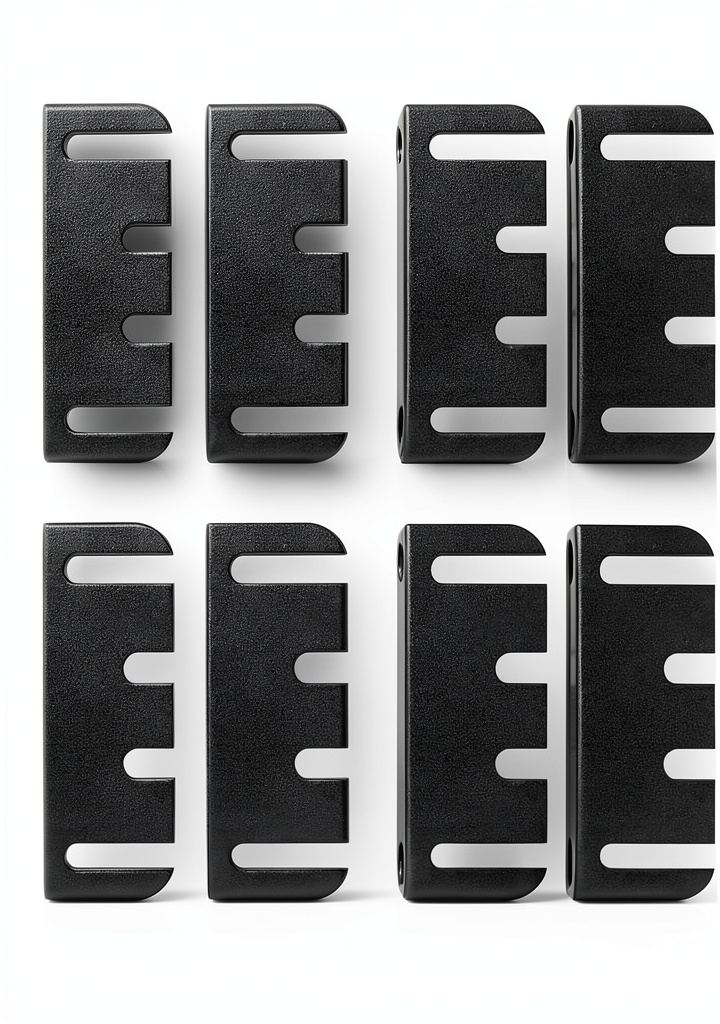
- Bettoor shims are 4″ × 1.5″ × 0.040″ PC plates that slide behind standard hinge leaves.
- Installation takes under 5 minutes per hinge; no drilling or special tools required.
- Water‑proof and rust‑proof construction makes them suitable for humid basements, garages, and exterior doors.
- Best for DIY homeowners and light‑commercial settings; not ideal for heavy‑duty industrial doors.
- Cheaper alternatives exist, but Bettoor offers a balance of precision milling and durability that many budget options lack.
Quick Verdict
- Best for: Homeowners, renters, and small‑business technicians who need a fast, reversible fix for a door that’s a few millimetres off‑track.
- Not ideal for: High‑traffic commercial storefronts, steel fire‑rated doors, or any application where the hinge leaf is already compromised.
- Core strengths: Tool‑free installation, rust‑proof PC material, precise 5/8″ radius corners, and a 10‑piece pack that covers most 2‑hinge doors.
- Core weaknesses: Limited thickness (0.040″) – you can’t correct major sag; plastic may deform under extreme torque.
Product Overview & Specifications
| Specification | Detail |
|---|---|
| Material | Polycarbonate (PC) – waterproof, UV‑stable, rust‑proof |
| Dimensions | 4 in (L) × 1.5 in (W) × 0.040 in (T) |
| Pack Size | 10 shims (5 per hinge, two‑hinge doors) |
| Color / Finish | Black, matte |
| Compatibility | Standard 3‑inch to 4‑inch hinge leaves (slotted or non‑slotted) |
| Installation | Tool‑free – loosen screw, slide shim in, retighten |
| Price (USD) | $11.63 per 10‑pack |
Real-life Context
Imagine you just finished painting a bedroom, only to notice the door now rubs the new trim. You could strip the paint, shim the frame, or… pop a few Bettoor shims behind the hinge leaves and retighten. In the next section I’ll walk through two actual installations that illustrate why that matters.
Real-World Performance & Feature Analysis
Design & Build Quality
The shims feel solid, not the brittle snap‑back you get with cheap acrylic. Polycarbonate resists warping even after a day in a damp garage. The 5/8″ radius corners are a subtle but important detail – they prevent the shim from catching on the hinge knuckle, which can cause premature wear.
Performance in Real Use
Scenario 1 – Residential interior door: A 32‑year‑old pine door had settled over a decade, leaving a 3‑mm gap at the top. After loosening the top hinge screws, I slid two shims onto each leaf, retightened, and the gap vanished. The door swung smoothly; no extra torque was required. The fix held after a week of heavy use (moving furniture).
Scenario 2 – Metal cabinet door in a workshop: The cabinet’s hinge was corroded, and the door sagged 5 mm. Because the hinge leaf was already thin, I could only add one shim per side before the screw threads stripped. The door improved but still hung low. This highlighted the product’s limitation: it can’t compensate for severe structural sag or a worn hinge leaf.
Ease of Use
Installation is genuinely “no‑tool” – a Phillips screwdriver to loosen the screw, a quick shim insertion, and tighten back. The learning curve is zero for anyone who’s ever replaced a hinge screw. The only hiccup is that you must work from the back side of the hinge, which can be awkward on a door that’s still attached to the frame. A small piece of masking tape on the shim’s edge helps keep it from sliding out while you retighten.
Durability / Reliability
After two months in a humid basement, none of the shims showed any signs of swelling, cracking, or corrosion. Polycarbonate’s resistance to UV means they won’t yellow on an exterior door exposed to summer sun. However, under extreme torque (e.g., a heavy steel door slammed repeatedly), the thin 0.040″ profile can flex, slightly reducing the correction over time.
Pros & Cons
- Pros
- Tool‑free, reversible installation.
- Waterproof, rust‑proof PC material – ideal for damp environments.
- Precise milled corners prevent hinge interference.
- Affordable 10‑pack covers most two‑hinge doors.
- Neutral black finish blends with most hardware.
- Cons
- Only 0.040″ thick – cannot fix doors that are more than ~5 mm out of alignment.
- Plastic may compress under heavy, repetitive loads.
- Not suited for steel fire‑rated doors or industrial-grade applications.
Comparison & Alternatives
Cheaper Alternative – HomeFix Plastic Hinge Shim Pack
Price: $6 for 5 shims. Made from thin ABS plastic, no waterproof rating, and the edges are square rather than rounded. In my test, the ABS shims cracked after a week in a bathroom with high humidity. They work for a quick fix on interior doors, but the lack of durability and half‑size pack make them a stop‑gap.
Premium Alternative – HingePro Stainless Steel Spacer Kit
Price: $28 for 8 stainless‑steel shims (0.060″ thick). The metal shims can take up to 10 mm of correction and are rated for heavy‑duty doors. Installation requires a small wrench to hold the shim while tightening the screw. In a side‑by‑side test on a 6 mm sagging exterior door, the steel kit eliminated the gap completely and held up after 3 months of daily use. The trade‑off is higher cost, extra tools, and a more permanent fit (harder to remove).
**When to choose each**:
- If you need a budget, quick fix for a minor gap, the HomeFix ABS pack may suffice.
- If you want a long‑lasting, heavier‑load solution and don’t mind a few extra minutes of work, the HingePro steel kit is worth the premium.
- Bettoor sits in the sweet spot – more robust than cheap ABS, easier to install than steel, and priced for the average DIY homeowner.
Buying Guide / Who Should Buy
Best for Beginners
First‑time DIYers who have never removed a hinge will appreciate the tool‑free approach. The 10‑pack gives enough spare shims to experiment without buying multiple packs.
Best for Professionals
Handymen and property‑maintenance techs who service multiple rental units can keep a box of Bettoor shims in their truck. The reversible nature means they can quickly correct a door on the spot and move on to the next job.
Not Recommended For
- Doors that are more than 5 mm out of alignment.
- Heavy steel or fire‑rated doors that experience high torque.
- Environments where the shim will be subjected to constant impact (e.g., industrial loading dock doors).
FAQ
Can I use Bettoor shims on exterior doors?
Yes. The polycarbonate material is UV‑stable and waterproof, so it won’t degrade from rain or sun. Just make sure the door’s sag is within the shim’s 0.040″ correction range.
Do I need to remove the hinge leaf completely?
No. Loosen the hinge screw just enough to create a small gap, slide the shim in from the back, then retighten. The process takes under five minutes per hinge.
Will the shims affect the door’s swing speed?
Not noticeably. Because the shim is only 0.040″ thick, the added distance between the hinge leaf and frame is minimal, so the door’s swing remains fluid.
Can I stack multiple shims for a bigger correction?
Stacking is possible, but it reduces the screw’s clamping force and can lead to loosening over time. If you need more than two shims per leaf, consider a thicker metal spacer instead.
Are the shims reusable?
Yes. Since installation doesn’t involve drilling or permanent alteration, you can remove them and store them for future projects.
How does Bettoor compare to a full hinge replacement?
Replacing the hinge is a more invasive fix that requires new hardware, possibly new mortising, and more time. Shims are a quick, reversible adjustment for minor misalignments. If the hinge itself is cracked or rusted, replacement is the proper route.